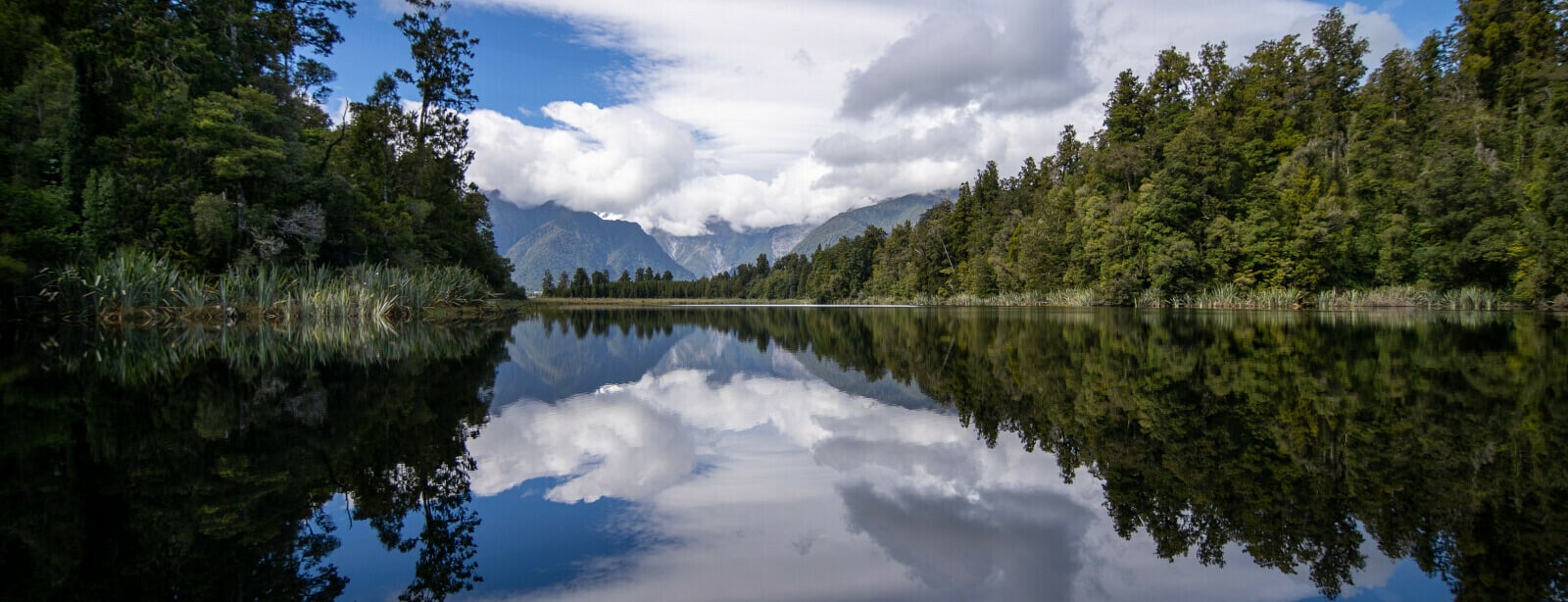
Peter and I are both children of civil engineers. That shapes you more than you realise at the time. From a young age we were told, very plainly, don’t build too close to water. Rivers flood. The sea does what it wants. And be very careful about houses on slopes because gravity always wins in the end.
It wasn’t dramatic or ideological. It was practical. It was about understanding risk and respecting it.
Those conversations have influenced the way we have looked at property over the years. We have probably avoided a few headaches because of them. But what neither our fathers nor we really foresaw was how climate change would start to reshape the property market itself. Not just the physical risk of a flood or a slip, but the financial consequences that flow from that risk.
For most of our working lives, the assumption in New Zealand has been that your house is the safe bit. Shares move around. Businesses have good years and bad years. But your home just sits there and, over time, tends to go up. It has been the anchor in people’s retirement plans whether they have admitted that to themselves or not.
What is changing now is not the weather alone. It is the way insurers are responding to it.
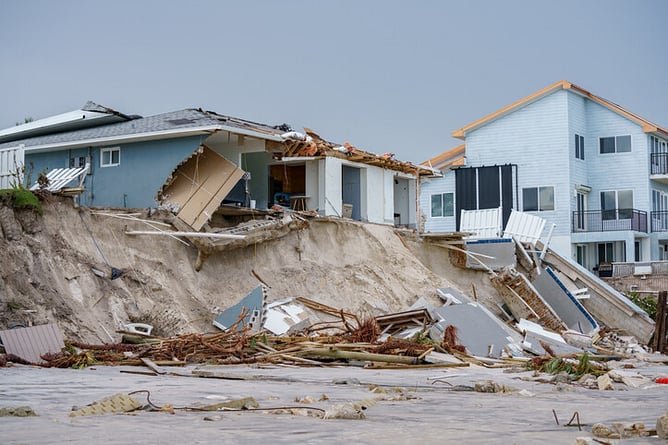
We are seeing insurers reassess risk suburb by suburb. Premiums in some areas have risen sharply. Excesses have increased. In a few towns, insurers have simply stopped writing new policies. Overseas, it is further advanced. Large insurers have withdrawn from parts of California because of wildfire risk. In Florida, hurricane exposure has pushed some companies out of the market altogether. Australia has had similar issues in flood-prone regions.
Insurance is not a charitable enterprise. Insurance is simply how the market puts a dollar figure on how likely something is to go wrong.
When the probability and size of claims increase, premiums rise or cover reduces. If the numbers no longer stack up, insurers leave.
That matters because insurance underpins the housing market. Banks require it. If a property cannot be insured on normal terms, lending becomes difficult. If lending becomes difficult, your buyer pool shrinks. When your buyer pool shrinks, prices come under pressure.
For a country as concentrated in residential property as we are, that is not a side issue. It goes to the heart of how people think about wealth.
One of the more uncomfortable realities is that the problem often surfaces late. A policy comes up for renewal and the premium jumps far more than expected. An exclusion is added. A sale falls over because the buyer’s insurer declines cover. The house has not changed physically, but its financial position has.
There is also a behavioural dimension that is worth acknowledging. If you receive signals that your property may become harder to insure in future, do you dig into that information properly or do you prefer not to look too closely? Human nature being what it is, avoidance is common. But markets eventually price reality.
For our clients, the issue is not to panic or to assume that every coastal property is a mistake. Risk is rarely black and white. It is about recognising concentration.
We spend a lot of time talking about diversification within investment portfolios. Not having everything in one company or one country. Yet many families have the majority of their net worth in one house, in one location, exposed to one set of environmental risks.
That may still be entirely appropriate for them. But it is not risk free. And it is not something to gloss over in a retirement plan.
If a significant portion of your future security depends on selling that house at a certain value, then insurance availability and climate exposure are now part of the equation. That means checking hazard maps before buying. Speaking to insurers early in the purchase process. Understanding how premiums might evolve. Stress testing assumptions rather than relying on past trends.
None of this is ideological. It is the same engineering mindset we grew up with applied to finance. Look at the terrain. Consider what could go wrong.
Ask yourself whether the benefits of owning that property, either the way it improves your life or the money you expect to make from it, are worth the risk you’re taking on.
Property will continue to play an important role in New Zealand. But the idea that it is automatically the safest asset on the balance sheet deserves a more thoughtful examination than it has had in the past.
Our fathers taught us to respect water and gravity. We are now having to respect probability and pricing as well.
Our white paper, You Can’t Eat Bricks, covers the full picture on property holding costs in retirement, including rates, insurance, maintenance, weathertightness risk, and the seven questions worth working through if you hold investment property or a bach.
Download it at the link below.