
Blog Articles

MiningSolar powerPrivate assetsBricksDigital fraud70 is the new 50CashflowHaving enoughIFSOComplaintsNZ Super FundModern slaveryHuman rights violationsReal rates of returnRetirement planningInsurance RiskF&GHousingTechnologyTech brosConsumptionBriberyCorruptionBubbleAustralian SuperAutomationSarvananPathfinderGlobal WarmingDeposit compensation schemeRates rebatesCommunityU3ARatesTariffsJonathon PainRon TempleDr pippaPortfolio constructionInvestment ReportingDisclosuresClimateEconomistMoneyworks ActivitiesS&P 500SmartphoneTech investingPodcastObliviaBenedictBurningRainforestsUsaTrumpOffsetting emissionsEmissionsDjiaIndexGabrielleDowns SyndromeAnalysisStock intersectionsHealthFitnessEducation seminarEvsTeslaTaylor swiftPharmaHealth careExerciseNvidiaMillieAIRPAAgingJewelleryScam investmentInvestment fraudInvestment fraudsScamsCyclonesFloodingInsurance premiumsInvestment managerArtesianOrgans on a chipManaging household moneyCouplesTravel insuranceTravel cardTravelPlastic WasteStewartCollaborative engagementBest Ethical Financial AdviserAwardHuman skinCrash test dummyAkzo NobelBieresdorfUnileverThe 3 R'sAnimal crueltyAnimal testingSyndicated propertyWholesale investorBreast cancer, mammogramGender diversityDiversity40:40 vision30% clubFemale leadersOutlookIndicatorsRecessionFossil FuelsWomenChildrenCyberVisaMagellanDEIDiversity, equality and inclusionGHG emissionsNet ZeroNorway Oil FundEngagementActive EngagementWealth protectionPasswordsBank of mum and dadBank loansBull marketReparationsVolunteeringB-corpGarden festivalCompensationClimate changeBuilding portfolioPortfolioBusiness as a force for goodB corpFinologyNanukPlasticPackagingEsg investingFear of missing outConfirmation biasBehavioural financeRetirement villageEsg ratingsSustainableWalking the talkProxy votingVotingAwardsBear marketEthical preferencesIndependent informationGreenwashingNastiesGMODonationsMindful MoneyRIAAWarEthicsAuctionImpact InvestingCyber securitySustainable InvestingResponsible InvestingMarketTimingCoronavirusCovidAiaCignaEthical investingEsgEnvironmentMoneyworksActivePassiveEPAProperty Relationship ActTax returnWearable DeviceArtificial IntelligenceUnderwritingDNA TestingGenetic TestDe Minimis ExemptionFair Dividend TaxForeign Investment FundTax ratesKiwiSaver feesChinaBrightline TestEQCAdvice FeesInvestment feesJunk InsuranceWarrantiesConsumer Guarantees ActRetirement IncomeNew Zealand SuperannuationBridgesFitness CoachingWellnessSally MellorInvestment PropertyTenantLandlordRental PropertyCar RentalCar InsuranceRelationship BreakupProvisional TaxBeanyAccountingTrust DeedBeneficiaryTrust ActTrustSkin cancerProstate cancerMelanomaLung cancerCervical cancerCancer mythsFirst home buyerOpinionFactsSwindlerScamTreasuryVolatilityDollar cost averagingFamily trustsResearchMilfordInvestor confidenceFMAInvestment assumptionsTerm depositsKiwisaver monitoringKiwisaver comparisonStress freeHolidaySecurityBanksTax refundRiskReturnInvestingGreedFinance companiesContents insuranceOwing moneyCredit cardCredit cardsPropertyExpertsBubblesBorrowingLendingFloatFixMortgageLoansInterest ratesFinanceBrokingLegislationForeign superWordingOmbudsmanHouseCoverContentsBalanced fundSchooling costsEducationCredit ratingsTradingSecondary marketTerminologyFixed interest investmentFixed InterestLegalGuarantorUk pensionPension transferSpendingChristmasConsumer behaviourUK Pension TransfersQROPsInvesmtentWays to dieInsurance claimsWinz#residential care#assetsTrustsResidential care subsidy#residentialcaresubsidy#gifting#familytrustsSavingsLottery#bonusbondsSpecific injuryCase stuffyTrust expensesEstate planningAsset protection#trust#family Trust#incomeprotectioninsurance#incomeAdriennes storyQuizLife expectancyLVR ratioHouse depositBorrowing to buy a house#firsthomebuyerKiwisaver returns#kiwisaver feesReitrement savingsFirst home buyersUncategorized#financialplanningPersonal financesFinancial management#personalfinances#mortgages#finances#fidelity#kiwisaverperformance#redundancy insurance#incomeinsuranceRetirement ageJohn KeyFirst home buyer withdrawalKiwisaver rulesFirst home buyer grantUnclaimed moneyMoney refundsPortability superBringing home KiwiSaver#australia KiwiSaver#liability#insurance claim. Insurance claim#income insurance protectionFirst home grantDumb ways to dieUnder 18 years oldTax creditTrans-tasmanPortabilityAustraliaAsteronRisk profilesMoving funds#changing kiwisaver managersInvestment returnsTibTerminal illness benefit#claim#sil#kiwisaver analysis#shares#mighty river power#electricity#partners lifeTrusteeSafety of KiwiSaverFunBeerCredit ratingBad debtTax rebateInvestment advice#retirement planningLapseExpensesFighting fundEmergency cashRipping off elderlyFinancial planingPass backUnit pricingGareth morgan#Medical Assurance Society#MAS#investment analysis#travel insurance#insurance claimFinancial planningBudgettingReporting#insurance commissionInsurance commissions#commissions#career in insuranceSouthern crossClaimingInsurance excessesRussiaJohn clarkeHumourGfcCyprusHome insuranceEarthquakesCrisisStand down periodPolicy wordingChurningContributions holidayTaxesPayrollEmployer contributionsEsctEmployee contributionContribution holidaySil kiwisaver. westpacKwiisaverBitAsset allocationAsbAnzAwarenessReturnsPerformanceProstate canerWillsRelationship PropertyPlanningLegal AgreementsLawyersDivorcePremiumsTowerFund ManagersFisherKiwibankDefault schemesBnzAMPPetsPet insuranceMoney managementBudgetsHouse insuranceFire and general insuranceAccChilds trauma insuranceChilds traumaProtectionFund managerClaim trauma insuranceTotal and Permanent Disablement InsuranceOnePath LifeClaimsSmokingSmokers ratesInsurance researchInsurance analysisImageFree quotesSavingMoneyInfographicInflationVideoTpd insuranceTPDSovereignDisabilityCase StudyAxaHeart attackLoveIncome protectionCancer insuranceBreast cancerTerranovaMinimum wageEmployer contributionTraumaIncome protection insuranceCancerSortedRisk profileRetirementOnepathInvestmentsWestpacBTWho can joinRetirement savingsFuneral plannerFuneralDyingDeathTrauma insuranceLife InsuranceInsurance News & ViewsInsuranceIncome insuranceHealth insuranceDisability insuranceUS citizenRetiring to live in new zealandInvestmentFATCAReturning to new zealandRetiring in new zealandMember tax creditKickstartTransitional residentTaxationRetiring to new zealandNew migratnFifFdrDe minimisSuperannuationRetiringNZ superannuationNew zealandEligibility for NZ SuperMorningstarInvestment ReturnInvestment performanceFund sizeFeesTaxPIRPIEMoney News & ViewsIrdMinimum contributionKiwiSaver News & ViewsKiwiSaverContributions1 April 2013
TAGS

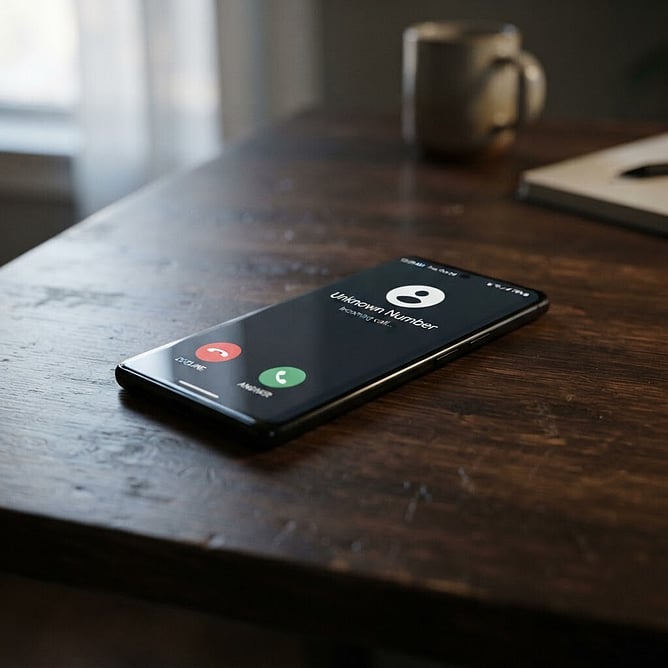
The Phone Call That Is Designed to Work

I got one of these calls. An unknown number, a slightly scratchy line. The caller identified themselves as calling from Kiwibank about a suspicious transaction on my account. They sounded like a New Zealander. The concern in their voice was calibrated precisely to what you would expect from a bank employee who had spotted something unusual and was doing their job.

I kept asking which account. They had to ask me three times before they deviated from their script. When they said it was my cheque account, I told them I did not have a cheque account with Kiwibank and ended the call.

The lesson I took from that call is not that I was sharp enough to catch it. The lesson is that the call was plausible enough that I engaged with it at all, and that the protection came from asking a specific question they could not answer, not from anything that felt obviously wrong about the approach. If I had not happened to ask that particular question, the conversation could have gone further.

Why the script works

Impersonation calls are built around a small number of structural elements that are deliberately designed to override the instincts most people rely on for protection.

The first is authority. A caller identifying as your bank, the IRD, or a government agency triggers an instinct to cooperate rather than question. We are conditioned from childhood to treat official communication as requiring a response, and the fraudster knows this.

The second is urgency. The transaction is happening now. Your account is at risk. You need to act before the window closes. Urgency is a direct attack on the deliberative process, the pause, the second thought, the call back on an independent number. Remove the time available to think and you remove most of the protection.

The third is plausibility. The details are close enough to real to pass initial scrutiny. A bank calling about a suspicious transaction is something banks actually do. The caller sounds like they belong to the institution they claim to represent. The request they are making, verify your identity, confirm a transaction, move funds to a holding account for security, sounds like something a bank might ask for.

What the call is not designed to survive is a specific question it cannot answer. That is the gap Carey found with the cheque account. The script does not contain answers to questions about account details the fraudster does not have, because they do not actually have access to your account. They have your name, possibly your phone number, and a plausible story. The rest is pressure and theatre.

What AI is changing about this

The calls Carey received in 2026 relied on a human caller following a script. What is coming, and in some jurisdictions is already here, removes that constraint.

Voice cloning technology can reproduce a recognisable voice from a short audio sample, which most people have distributed publicly in videos, voice messages, and recorded media without thinking about it. A call that sounds like your financial adviser, your adult child, or your bank manager can be generated with tools that are now widely available. The fraudster no longer needs a skilled caller. They need a voice sample and software.

Deepfake video extends this further. A video call from someone who appears to be a trusted face is no longer technically difficult to produce. The financial industry has begun to see cases where clients have transferred funds based on video calls from convincing impostors.

The practical implication is significant. The old test, which ran roughly as does this sound right, does this look right, is no longer reliable protection. Something can sound exactly right and be generated by software running a fraud operation from another country. The question you are answering when you engage with it is no longer whether the call seems real. It is whether you have a verification step that works independently of how real it seems.

What actually protects you

The protection that works is not better instinct or sharper attention. It is procedure, applied consistently, before the pressure of the moment makes it harder to apply.

The most important single habit is this: any unexpected contact that asks you to take action on a financial account gets verified by calling back on a number you have sourced independently, not one provided in the message or by the caller. Your bank has a number on its website and on the back of your card. Use that. Your adviser has a number you already have. Use that. The fraudster cannot intercept a call you make to a number you already know.

This feels slightly awkward the first few times, particularly with a caller who sounds genuinely helpful and official. That awkwardness is worth accepting. A real bank employee will wait while you call back through the main number. A fraudster will not, and their impatience is the tell.

The second habit is knowing what your bank will and will not ask for. New Zealand banks do not ask you to move money to a holding account for security. They do not ask for your full internet banking password over the phone. They do not ask for one-time codes sent to your phone while they are on the line with you. If a caller asks for any of these things, the call is not from your bank, regardless of how it sounds.

The third is a family safe word. If you receive a call from someone claiming to be a family member in difficulty and needing money urgently, ask for the word. A genuine family member can provide it. A fraudster, or an AI voice clone of your family member, cannot.

The harder conversation

Most people, when they read about impersonation fraud, believe they would handle it better than the people who fell for it. This is the same overconfidence the evidence consistently shows is wrong.

The calls are not easy to dismiss in the moment. They are designed by people who have run thousands of them and refined the script based on what works. The urgency is real enough to feel. The authority is real enough to register. The details are close enough to check out on first pass.

What changes the outcome is not being smarter in the moment. It is having decided in advance what you will do when an unexpected call arrives, so that the decision does not have to be made under pressure. End the call, call back on a number you already have, and verify before you act. That sequence, applied every time without exception, closes the gap that the script is designed to exploit.

Our white paper, Protecting What You Have Built, covers impersonation fraud in detail alongside the four other main threat categories, and includes the full financial security checklist with fifteen specific actions you can work through at your next review.

Download it at the link below.



This product has been added to your cart

CHECKOUT