
New announcement. Learn more

Blog Articles

Mining70 is the new 50CashflowHaving enoughIFSOComplaintsNZ Super FundModern slaveryHuman rights violationsReal rates of returnRetirement planningTechnologyTech brosConsumptionBriberyCorruptionBubbleAustralian SuperAutomationSarvananPathfinderGlobal WarmingDeposit compensation schemeRates rebatesCommunityU3ARatesTariffsJonathon PainRon TempleDr pippaPortfolio constructionInvestment ReportingDisclosuresClimateEconomistMoneyworks ActivitiesS&P 500SmartphoneTech investingPodcastObliviaBenedictBurningRainforestsUsaTrumpOffsetting emissionsEmissionsDjiaIndexGabrielleDowns SyndromeAnalysisStock intersectionsHealthFitnessEducation seminarEvsTeslaTaylor swiftPharmaHealth careExerciseNvidiaMillieAIRPAAgingJewelleryScam investmentInvestment fraudInvestment fraudsScamsCyclonesFloodingInsurance premiumsInvestment managerArtesianOrgans on a chipManaging household moneyCouplesTravel insuranceTravel cardTravelPlastic WasteStewartCollaborative engagementBest Ethical Financial AdviserAwardHuman skinCrash test dummyAkzo NobelBieresdorfUnileverThe 3 R'sAnimal crueltyAnimal testingSyndicated propertyWholesale investorBreast cancer, mammogramGender diversityDiversity40:40 vision30% clubFemale leadersOutlookIndicatorsRecessionFossil FuelsWomenChildrenCyberVisaMagellanDEIDiversity, equality and inclusionGHG emissionsNet ZeroNorway Oil FundEngagementActive EngagementWealth protectionPasswordsBank of mum and dadBank loansBull marketReparationsVolunteeringB-corpGarden festivalCompensationClimate changeBuilding portfolioPortfolioBusiness as a force for goodB corpFinologyNanukPlasticPackagingEsg investingFear of missing outConfirmation biasBehavioural financeRetirement villageEsg ratingsSustainableWalking the talkProxy votingVotingAwardsBear marketEthical preferencesIndependent informationGreenwashingNastiesGMODonationsMindful MoneyRIAAWarEthicsAuctionImpact InvestingCyber securitySustainable InvestingResponsible InvestingMarketTimingCoronavirusCovidAiaCignaEthical investingEsgEnvironmentMoneyworksActivePassiveEPAProperty Relationship ActTax returnWearable DeviceArtificial IntelligenceUnderwritingDNA TestingGenetic TestDe Minimis ExemptionFair Dividend TaxForeign Investment FundTax ratesKiwiSaver feesChinaBrightline TestEQCAdvice FeesInvestment feesJunk InsuranceWarrantiesConsumer Guarantees ActRetirement IncomeNew Zealand SuperannuationBridgesFitness CoachingWellnessSally MellorInvestment PropertyTenantLandlordRental PropertyCar RentalCar InsuranceRelationship BreakupProvisional TaxBeanyAccountingTrust DeedBeneficiaryTrust ActTrustSkin cancerProstate cancerMelanomaLung cancerCervical cancerCancer mythsFirst home buyerOpinionFactsSwindlerScamTreasuryVolatilityDollar cost averagingFamily trustsResearchMilfordInvestor confidenceFMAInvestment assumptionsTerm depositsKiwisaver monitoringKiwisaver comparisonStress freeHolidaySecurityBanksTax refundRiskReturnInvestingGreedFinance companiesContents insuranceOwing moneyCredit cardCredit cardsPropertyExpertsBubblesBorrowingLendingFloatFixMortgageLoansInterest ratesFinanceBrokingLegislationForeign superWordingOmbudsmanHouseCoverContentsBalanced fundSchooling costsEducationCredit ratingsTradingSecondary marketTerminologyFixed interest investmentFixed InterestLegalGuarantorUk pensionPension transferSpendingChristmasConsumer behaviourUK Pension TransfersQROPsInvesmtentWays to dieInsurance claimsWinz#residential care#assetsTrustsResidential care subsidy#residentialcaresubsidy#gifting#familytrustsSavingsLottery#bonusbondsSpecific injuryCase stuffyTrust expensesEstate planningAsset protection#trust#family Trust#incomeprotectioninsurance#incomeAdriennes storyQuizLife expectancyLVR ratioHouse depositBorrowing to buy a house#firsthomebuyerKiwisaver returns#kiwisaver feesReitrement savingsFirst home buyersUncategorized#financialplanningPersonal financesFinancial management#personalfinances#mortgages#finances#fidelity#kiwisaverperformance#redundancy insurance#incomeinsuranceRetirement ageJohn KeyFirst home buyer withdrawalKiwisaver rulesFirst home buyer grantUnclaimed moneyMoney refundsPortability superBringing home KiwiSaver#australia KiwiSaver#liability#insurance claim. Insurance claim#income insurance protectionFirst home grantDumb ways to dieUnder 18 years oldTax creditTrans-tasmanPortabilityAustraliaAsteronRisk profilesMoving funds#changing kiwisaver managersInvestment returnsTibTerminal illness benefit#claim#sil#kiwisaver analysis#shares#mighty river power#electricity#partners lifeTrusteeSafety of KiwiSaverFunBeerCredit ratingBad debtTax rebateInvestment advice#retirement planningLapseExpensesFighting fundEmergency cashRipping off elderlyFinancial planingPass backUnit pricingGareth morgan#Medical Assurance Society#MAS#investment analysis#travel insurance#insurance claimFinancial planningBudgettingReporting#insurance commissionInsurance commissions#commissions#career in insuranceSouthern crossClaimingInsurance excessesRussiaJohn clarkeHumourGfcCyprusHome insuranceEarthquakesCrisisStand down periodPolicy wordingChurningContributions holidayTaxesPayrollEmployer contributionsEsctEmployee contributionContribution holidaySil kiwisaver. westpacKwiisaverBitAsset allocationAsbAnzAwarenessReturnsPerformanceProstate canerWillsRelationship PropertyPlanningLegal AgreementsLawyersDivorcePremiumsTowerFund ManagersFisherKiwibankDefault schemesBnzAMPPetsPet insuranceMoney managementBudgetsHouse insuranceFire and general insuranceAccChilds trauma insuranceChilds traumaProtectionFund managerClaim trauma insuranceTotal and Permanent Disablement InsuranceOnePath LifeClaimsSmokingSmokers ratesInsurance researchInsurance analysisImageFree quotesSavingMoneyInfographicInflationVideoTpd insuranceTPDSovereignDisabilityCase StudyAxaHeart attackLoveIncome protectionCancer insuranceBreast cancerTerranovaMinimum wageEmployer contributionTraumaIncome protection insuranceCancerSortedRisk profileRetirementOnepathInvestmentsWestpacBTWho can joinRetirement savingsFuneral plannerFuneralDyingDeathTrauma insuranceLife InsuranceInsurance News & ViewsInsuranceIncome insuranceHealth insuranceDisability insuranceUS citizenRetiring to live in new zealandInvestmentFATCAReturning to new zealandRetiring in new zealandMember tax creditKickstartTransitional residentTaxationRetiring to new zealandNew migratnFifFdrDe minimisSuperannuationRetiringNZ superannuationNew zealandEligibility for NZ SuperMorningstarInvestment ReturnInvestment performanceFund sizeFeesTaxPIRPIEMoney News & ViewsIrdMinimum contributionKiwiSaver News & ViewsKiwiSaverContributions1 April 2013
TAGS

Deciding What We Can Live With

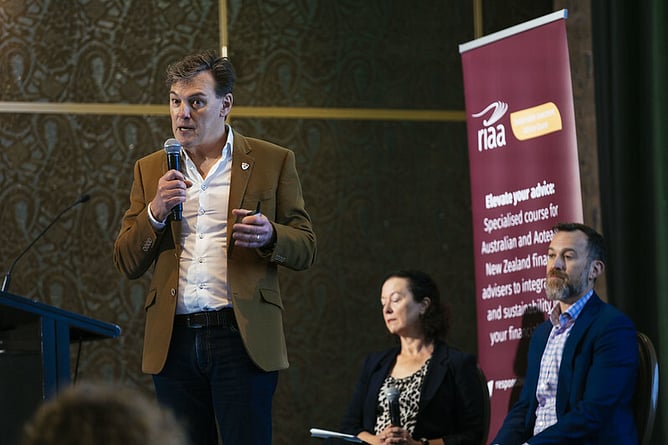
I was at an RIAA conference session on geopolitics and sovereign risk, listening to two fund managers explain how they navigate ethical investing when the world gets complicated. One story from that session is worth telling in full.

John Berry runs Pathfinder, an ethical fund manager most New Zealand advisers know well. He told the room about the moment weapons exclusions in ethical investing stopped being straightforward.

Excluding weapons manufacturers used to be simple. You could point to a company, see what it made, and decide whether it belonged in a portfolio.

That has changed. Warfare now runs through cyber warfare, drone swarms, hypersonic missiles and artificial intelligence embedded in the decision about when a weapon gets used.

The companies behind that technology are not defence contractors. They are some of the biggest technology companies in the world.

In July 2025, the UN Special Rapporteur on human rights in the occupied Palestinian territories published a report examining the role technology companies play in the conflict in Gaza. It named 5 companies held in Pathfinder's portfolio: Volvo, Amazon, Alphabet, IBM and Microsoft.

None of it touched Pathfinder's existing weapons exclusions. No responsible investment policy anywhere in the world had rules built for AI embedded inside a weapons system.

Berry said he rang other fund managers around the world to ask what they were doing about the report. Most said nothing, because their US operations made the topic too politically sensitive to touch.

Pathfinder decided to look anyway.

What followed was a 6-month process, built around a 9-factor scoring framework Pathfinder developed with its ethics committee.

3 of those factors asked whether serious harm had resulted from a company's technology, whether it had a code of conduct it was actually enforcing, and how it responded when Pathfinder asked it directly.

4 broader principles guided the thinking.

Revenue was the first thing Berry ruled out as a test. A company's revenue from conflict-linked technology is a small fraction of its total business, Berry said, but a small percentage doesn't make serious harm smaller.

The second was responsibility for how a product gets used. Berry drew the same comparison regulators have drawn with 3M and PFAS, or Johnson & Johnson and asbestos in talc. A company that builds the technology carries responsibility for what it's used for, whether or not it pulled the trigger itself.

The third was intent. Was a product built specifically for military use, or was a civilian technology converted for military purposes? Was it sold directly to armed forces, or through an indirect route?

The fourth was how a company behaved once Pathfinder came asking questions. Microsoft and Volvo engaged and answered. The rest didn't respond at all.

Pathfinder also surveyed its 14,000 KiwiSaver members before making a final call. 14% responded, an unusually high figure for this kind of question, and 70% described themselves as seriously uncomfortable holding at least 3 of the companies under review.

By 65% to 35%, members preferred selling outright over staying invested and trying to change the companies from within.

Amazon and IBM were divested. Alphabet was more complicated.

Pathfinder intended to sell Alphabet too, then didn't. Berry didn't have time in a 6-minute presentation to explain the full reasoning, and I'd want to hear it properly before repeating it here.

Not everyone agreed with where Pathfinder ended up. Some members left. Others wrote in saying Pathfinder hadn't gone far enough.

But a number of the emails Berry described made a similar point. They didn't love the outcome, but they understood how Pathfinder reached it, and they could live with it.

There's no such thing as a perfectly clean ethical fund, and a manager who tells you otherwise isn't being straight with you. What you can reasonably expect is a process you understand, and a manager honest about the trade-offs it made and why.

That's true of Pathfinder's members, and it's just as true of the conversations we have with our own clients about their portfolios.

Berry described a spectrum of client types, from people who want ethics regardless of return, through to people who want the best return available and only care about ethics if it doesn't get in the way. Most people fall somewhere between the two.

Knowing roughly where you fall on that spectrum, and saying so plainly to whoever manages your money, is a more useful starting point than expecting perfection from any fund.

Berry's team spent 6 months weighing 9 factors before reaching a decision on Amazon, IBM and Alphabet. Most of us won't get that formal a process applied to our own money. But the questions behind it are worth asking of whoever holds yours.



This product has been added to your cart

CHECKOUT